

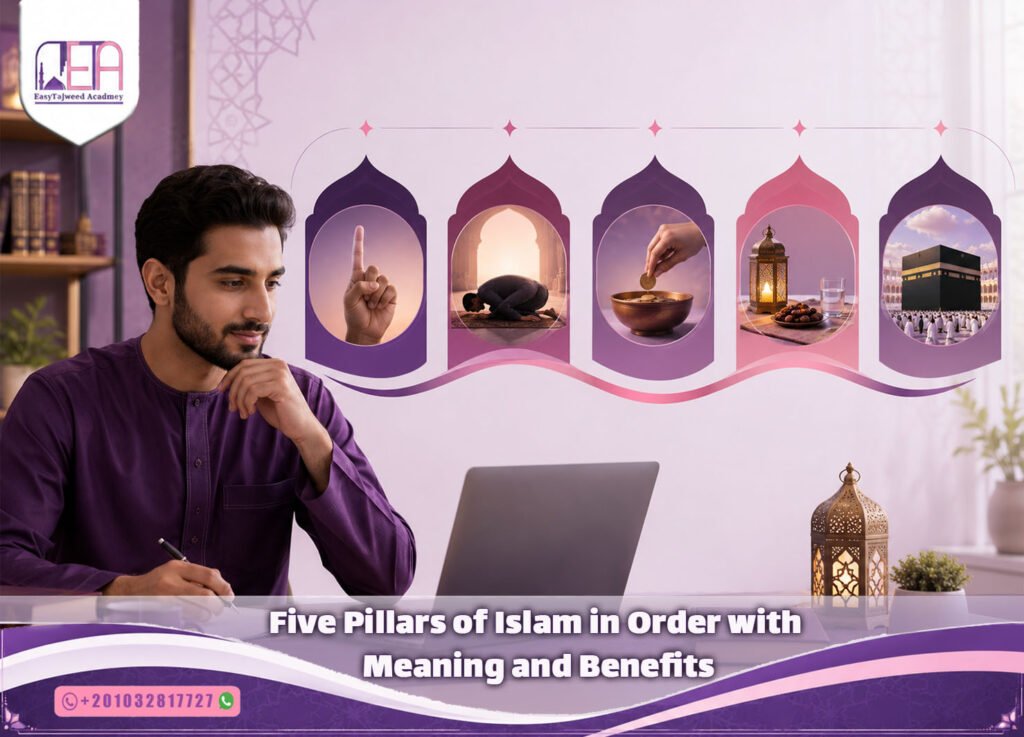
The Five Pillars of Islam are the foundation of every Muslim’s life. They guide the relationship between people and Allah while shaping daily worship, good character, and strong faith. Every Muslim learns the Five Pillars of Islam from an early age because they represent the core beliefs and practices of Islam. These pillars teach believers how to worship Allah, care for others, and live with honesty, kindness, and obedience. Whether someone is born into Islam or embraces it later in life, understanding the Five Pillars of Islam is an important step toward building a meaningful Islamic life.
Islam is a complete way of life that encourages peace, compassion, justice, and responsibility. It teaches that there is one God, Allah, and that Prophet Muhammad is His final messenger. Along with the articles of faith, the Five Pillars of Islam provide practical guidance for worship and daily living. They include the declaration of faith, daily prayer, zakat, fasting during Ramadan, and the pilgrimage to Makkah. Each pillar has a unique purpose, yet they work together to strengthen a Muslim’s faith and character.
Many students around the world choose trusted learning platforms such as Easy Tajweed Academy to understand these teachings correctly. With qualified teachers and structured lessons, learners of all ages can study the Five Pillars of Islam in a simple and engaging way while developing a deeper understanding of Islam.
Overview of Islam
Islam is one of the world’s largest religions. The word Islām means surrender to the will of Allah. A Muslim believes in one God and follows the teachings revealed in the Holy Quran and the Sunnah of the Prophet Muhammad. These teachings encourage believers to live with honesty, mercy, patience, and respect for others. Islam is based on strong beliefs as well as practical acts of worship. Together, these form a complete system for everyday life. While the articles of faith explain what Muslims believe, the Five Pillars of Islam explain how Muslims practice those beliefs every day.
The Five Pillars of Islam are basic tenets of Islam because they connect faith with action. They teach that belief should be shown through worship, good manners, and service to others. The pillars of faith help Muslims remain close to Allah through regular prayer, charity, fasting, and pilgrimage. These practices build discipline, gratitude, and compassion. Every pillar reminds believers of their purpose in life and encourages obedience to Allah.
The Muslim profession of faith, daily worship, and acts of kindness all contribute to a balanced spiritual life. Learning the Five Pillars of Islam also helps people understand why Islam emphasizes peace, community, and responsibility. As Muslims continue these practices throughout life, they strengthen their relationship with Allah and become better members of society.
Significance of the Five Pillars of Islam
The Five Pillars of Islam are much more than religious duties. They are the foundation that supports every aspect of a Muslim’s spiritual journey. Each pillar teaches an important lesson about faith, sincerity, patience, and responsibility. Together, they create balance between worship, personal growth, and service to others. Every Muslim is encouraged to practice these obligations with a sincere heart and the intention of pleasing Allah.
The Five Pillars of Islam also unite Muslims around the world. Regardless of language, culture, or nationality, believers perform the same daily prayers, fast during Ramadan, give zakah to those in need, and hope to perform Hajj when able. These shared acts create a strong sense of brotherhood and sisterhood. They remind Muslims that everyone is equal before Allah and that true success comes through righteousness rather than wealth or status.
The Five Pillars of Islam help people develop self-control, generosity, gratitude, and humility. They also encourage Muslims to remember Allah throughout the day and to support their families and communities. By following these timeless practices of Islam, believers build lives grounded in faith, peace, and obedience while preparing for success in the Hereafter.
Five Pillars of Islam in Order
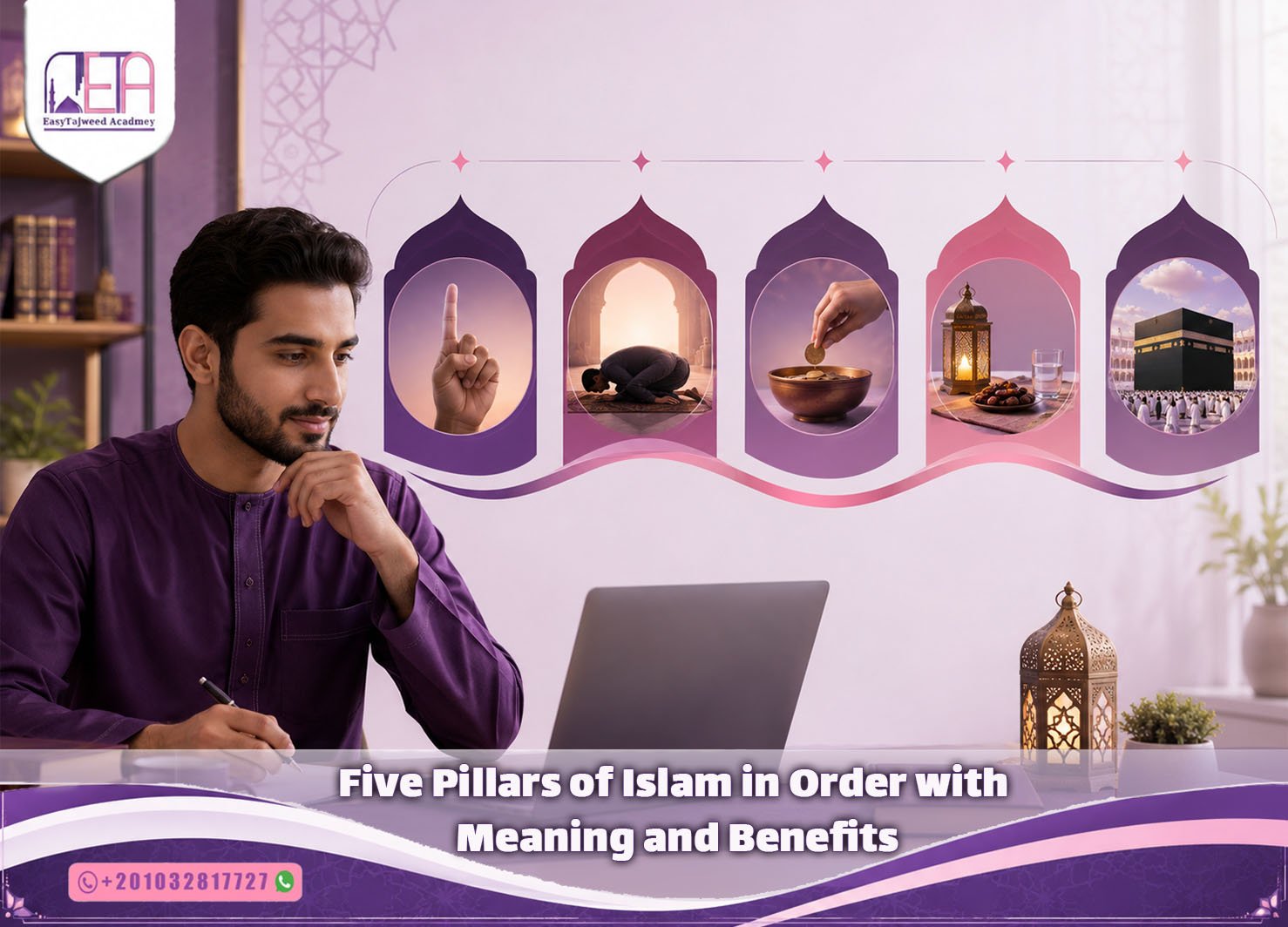
The Five Pillars of Islam are the core beliefs and practices that form the foundation of Muslim life. They serve as the framework for a believer’s faith, daily duties, and connection to Allah. The Five Pillars of Islam in order are: 1) Shahada (profession of faith), 2) Salah (daily prayer), 3) Zakat (alms giving), 4) Sawm (fasting during Ramadan), and 5) Hajj (pilgrimage to Mecca). These pillars form the foundational practices of Islamic life, guiding Muslims in their spiritual and communal duties. Each pillar reinforces core Islamic values such as monotheism, discipline, charity, self-restraint, and unity.
Five Pillars of Islam in Order:-
- Shahada (Declaration of Faith)
- Salah (Daily Prayer)
- Zakat (Obligatory Charity)
- Sawm (Fasting During Ramadan)
- Hajj (Pilgrimage to Makkah)
The First Pillar: Shahada (Declaration of Faith)
The first of the Five Pillars of Islam is the Shahada, also called the declaration of faith or testimony of faith. This simple yet powerful statement says, “There is no god but Allah, and Muhammad is the Messenger of Allah.” This profession of faith is the key that opens the door to Islam. It expresses complete belief in the oneness of Allah and acceptance of the Prophet Muhammad as the final messenger.
The declaration of faith is spoken with sincerity and understanding. It is not only a sentence but also a lifelong commitment. Every Muslim repeats this testimony in daily prayers and during the tashahhud. The shahada reminds believers that Allah alone deserves worship. It also encourages them to follow the teachings of the Prophet in every part of life. Among the Five Pillars of Islam, Shahada is the foundation upon which all other acts of worship are built.
The Second Pillar: Salah (Daily Prayer)
Salah is the second of the Five Pillars of Islam and one of the most important daily acts of worship. Muslims perform five daily prayers at specific times each day. These include Fajr before sunrise, Dhuhr at midday, Asr in the afternoon, Maghrib after sunset, and Isha at night. Salat keeps believers connected to Allah throughout the day and reminds them to pause from worldly activities to worship their Creator.
Prayer strengthens discipline, patience, and gratitude. It provides peace during difficult times and helps Muslims seek guidance from Allah. Salah also brings communities together when Muslims pray in congregation at the mosque. Every prayer begins with purification and is performed according to the Sunnah of the Prophet Muhammad. The Five Pillars of Islam teach that prayer is not simply a ritual but a daily conversation with Allah that strengthens faith and brings comfort to the heart.
The Third Pillar: Zakat (Obligatory Charity)
The third of the Five Pillars of Islam is Zakat (alms), the obligatory charity that purifies wealth and supports those in need. Zakat is one of the most beautiful examples of compassion in Islam because it teaches that wealth is a trust from Allah. Muslims who meet the required financial conditions give a fixed portion of their savings each year. This act of almsgiving is not optional charity. It is an obligation that helps create a caring and balanced society.
Zakah reminds every Muslim that true success is not measured by how much money a person owns but by how generously they use it to help others. It supports poor families, widows, orphans, travelers, and people facing hardship. Today, many Muslims also choose to sponsor an orphan or contribute to humanitarian projects that provide food, education, and medical care in places such as Gaza. These charitable efforts reflect the spirit of Islam and strengthen communities around the world.
The Five Pillars of Islam teach that charity removes selfishness from the heart and replaces it with gratitude and mercy. Every act of giving brings a believer closer to Allah while improving the lives of others. Through zakat, Muslims learn that sharing blessings is an important part of building a just and compassionate society.
The Fourth Pillar: Sawm (Fasting During Ramadan)
The fourth of the Five Pillars of Islam is Sawm, which means fasting during the blessed month of Ramadan. During this month, Muslims refrain from food, drink, and other physical needs from dawn until sunset. Fasting is much more than avoiding meals. It is a time for spiritual growth, self-control, and sincere worship. It teaches believers to strengthen their relationship with Allah while remembering those who struggle with hunger every day.
Ramadan is a month filled with prayer, Quran recitation, charity, and family gatherings. Muslims spend more time remembering Allah and seeking His forgiveness. The fast ends each evening, and the community comes together to break the fast with gratitude. At the end of Ramadan, Muslims celebrate Eid as a joyful reward for completing the month of worship.
The Five Pillars of Islam show that fasting develops patience, discipline, and compassion. It also helps believers overcome bad habits and build stronger moral character. Saum reminds Muslims that true happiness comes from obedience to Allah rather than temporary worldly pleasures. By practicing fasting every year, believers renew their faith and continue growing spiritually throughout their lives.
The Fifth Pillar of Islam: Hajj (Pilgrimage to Makkah)
The fifth of the Five Pillars of Islam is Hajj, the pilgrimage to the holy city of Makkah. Every Muslim who is physically and financially able is required to perform Hajj at least once during their lifetime. This remarkable journey gathers millions of Muslims from every country, language, and culture. They stand together wearing simple white garments, showing that all people are equal before Allah regardless of wealth or social status.
Hajj follows the example of Prophet Ibrahim, his family, and Prophet Muhammad. Pilgrims perform several sacred rituals that symbolize obedience, sacrifice, and complete trust in Allah. The experience teaches humility, patience, gratitude, and unity. It also reminds Muslims that the purpose of life is to worship Allah sincerely and prepare for the Hereafter.
Completing Hajj is often one of the most memorable moments in a believer’s life. The Five Pillars of Islam reach their completion with this pilgrimage because it combines faith, worship, sacrifice, and community. Although not every Muslim performs Hajj every year, every believer respects its importance and hopes to make this blessed journey when Allah provides the opportunity.
Facts about the Five Pillars of Islam
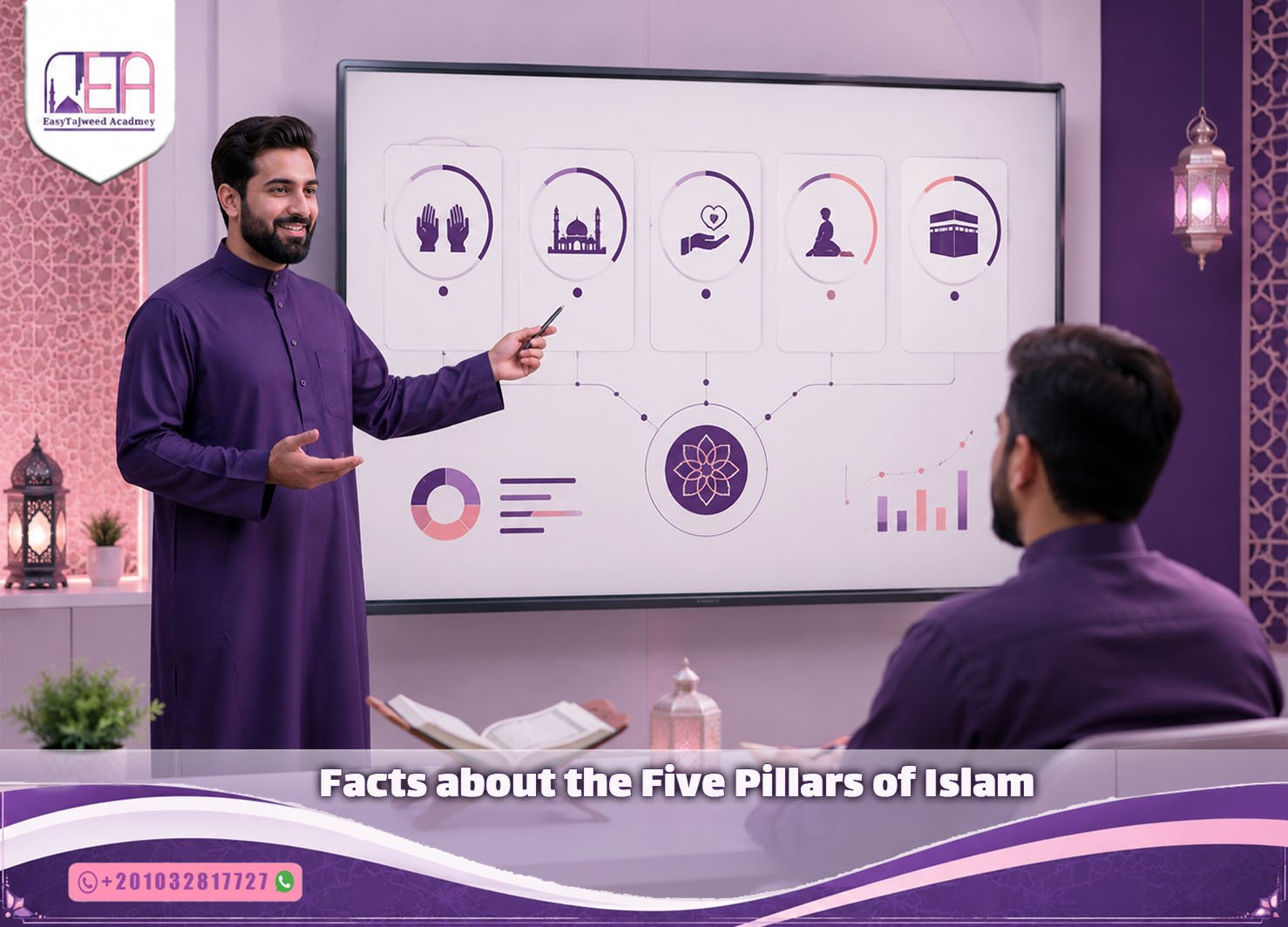
The Five Pillars of Islam have guided Muslims for more than fourteen centuries. They are considered the foundation of Islamic worship and remain unchanged since the time of the Prophet Muhammad. Although cultures differ across the world, Muslims perform these same acts of worship every day. This shared practice creates unity among millions of believers and reflects the universal message of Islam.
Many people confuse the Five Pillars of Islam with the articles of faith, but they are different. The articles of faith explain what Muslims believe, while the pillars explain what Muslims do. The Five Pillars of Islam are Shahada declaration of faith, Salah (prayer), Zakat (charity), Sawm (fasting), and Hajj (pilgrimage). Each pillar supports the others and helps believers build a balanced life based on worship, honesty, kindness, and obedience.
These acts are simple in principle but powerful in their effect on personal character. Even children begin learning about the pillars at an early age because they form the basic guide for every Muslim’s life. As understanding grows, Muslims appreciate the wisdom behind every obligation and recognize how these practices bring peace to individuals, families, and entire communities.
Benefits of Practicing the Five Pillars of Islam
Practicing the Five Pillars of Islam brings countless benefits to both individuals and society. Every pillar helps Muslims develop positive qualities that improve daily life. Shahada strengthens belief. Salah creates discipline through regular prayers. Zakat teaches generosity and social responsibility. Sawm develops patience and self-control, while Hajj inspires humility and unity among Muslims from every corner of the world.
The Five Pillars of Islam also encourage emotional and spiritual well-being. Daily worship helps believers find peace during difficult times. Charity builds stronger communities by supporting people in need. Fasting teaches gratitude for everyday blessings and encourages kindness toward those who have less. Pilgrimage reminds Muslims that worldly differences disappear before Allah. These acts create habits that continue throughout life and shape a person’s character. They encourage honesty in business, kindness within families, respect for neighbors, and compassion for strangers.
By following the Five Pillars of Islam, believers build a strong foundation for success in both this world and the Hereafter. These timeless principles continue to guide millions of Muslims toward a life filled with faith, purpose, and hope.
Learning the Five Pillars of Islam for New Muslims
For many new Muslims, learning the Five Pillars of Islam is one of the first and most meaningful steps after embracing Islam. The pillars provide a clear path for daily worship and personal growth. New Muslims do not need to master everything at once. Instead, they can learn each pillar gradually while building confidence and understanding. This steady approach makes the journey enjoyable and helps faith grow naturally over time. Every act of worship becomes easier with regular practice, patience, and sincere intention.
The Five Pillars of Islam begin with the Shahadah, the Muslim profession of faith, which confirms belief in Allah and acceptance of the Prophet Muhammad as the final Messenger of Allah. After embracing Islam, many learners begin studying Salah, including the words of the prayers, the movements of salat, and the proper times for worship. As their knowledge increases, they learn about zakat, sawm during Ramadan, and the importance of Hajj.
Trusted teachers make this process much easier by explaining every pillar in simple language while answering common questions. Easy Tajweed Academy has become a leading platform for students from around the world because it offers a structured Islamic Studies for Kids course, qualified teachers, and one-to-one online classes. Students learn not only the Five Pillars of Islam but also Quran recitation, Tajweed, Islamic manners, and the basic articles of faith. Step by step, new Muslims develop confidence in their worship and build a strong foundation that supports a lifetime of faith, obedience, and peace.
Five Pillars of Islam in English for Kids
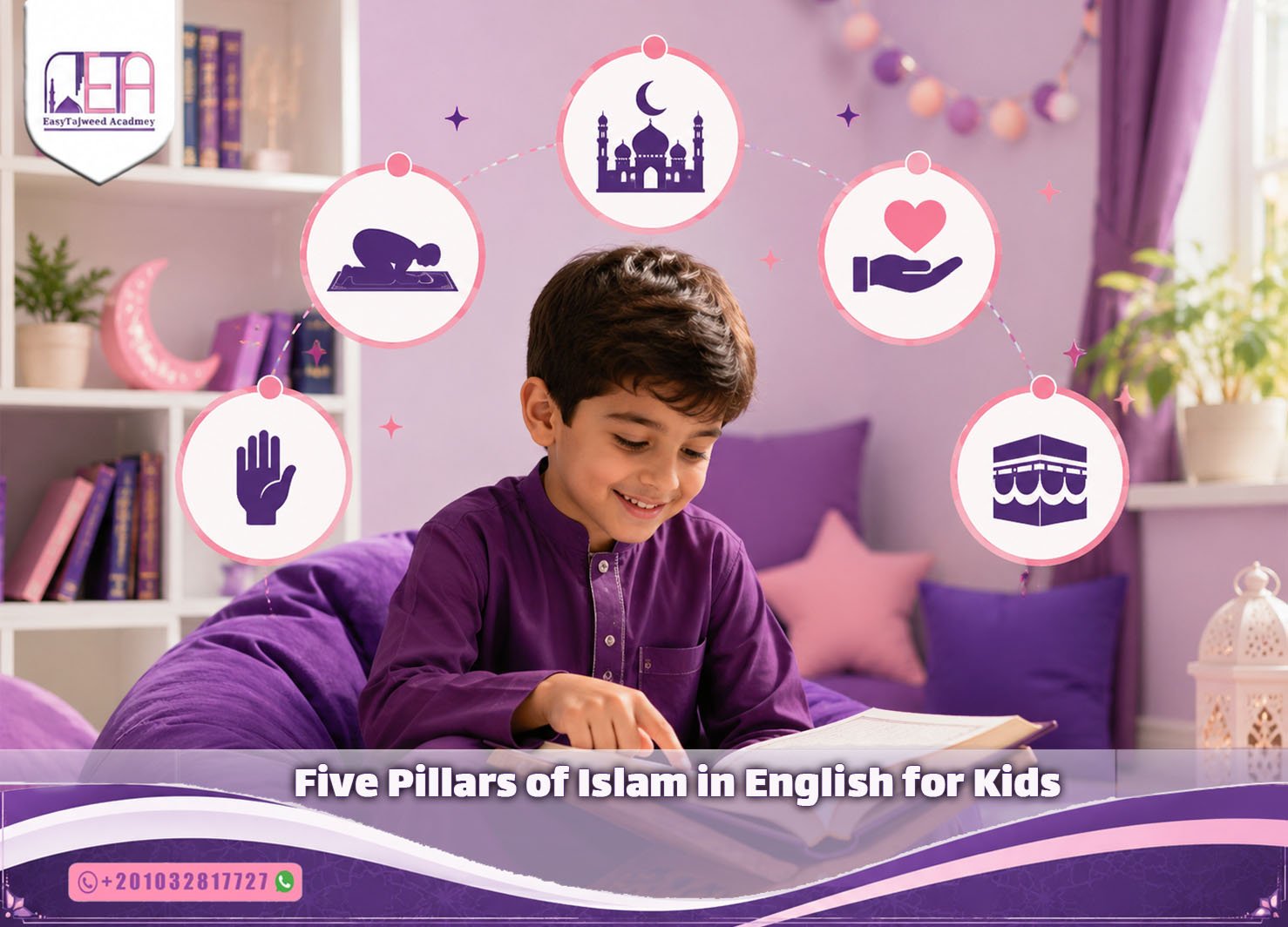
Teaching the Five Pillars of Islam for kids should be simple, enjoyable, and easy to remember. Treat each pillar like a sturdy building block that holds up a strong house. Kids learn best through short lessons, stories, daily examples, and interactive activities. Parents and teachers introduce each pillar one at a time so children understand its purpose before moving to the next. Learning at an early age helps children build strong Islamic values that remain with them throughout life. It also helps them understand why Muslims worship Allah and care for others with kindness and respect.
In English, the Five Pillars of Islam are easy for children to remember. They are Shahada, the declaration of faith; Salah, the five daily prayers; Zakat, giving charity to those in need; Sawm, fasting during Ramadan; and Hajj, the pilgrimage to Makkah. Children can also learn simple Islamic words such as Allah, Quran, Ramadan, Eid prayer, Maghrib prayer, Isha prayer, shahadah, kalimas, and tashahhud as their understanding grows.
Many parents choose Easy Tajweed Academy because its experienced teachers make learning engaging through age-appropriate lessons designed especially for kids. Online Islamic classes help children understand the meaning behind each pillar instead of simply memorizing names. As they grow older, they develop a deeper love for Islam, stronger faith, and good manners that guide their daily lives. Learning the Five Pillars of Islam during childhood creates a lasting connection with Allah and prepares children to become responsible and compassionate Muslims.
Conclusion: Living According to the Five Pillars of Islam
The Five Pillars of Islam are the heart of Islamic worship and the foundation of a faithful Muslim’s life. They guide believers through every stage of life by strengthening their relationship with Allah and encouraging kindness, honesty, patience, and generosity. Whether you are a child, a new Muslim, or someone wishing to deepen your understanding of Islam, studying these pillars is one of the best investments you can make in your spiritual life.
With the guidance of trusted institutions such as Easy Tajweed Academy, learners of all ages can study the Five Pillars of Islam through expert instruction and flexible online Islamic classes. The Five Pillars of Islam are not simply religious obligations; they are a complete guide to living a meaningful, balanced, and rewarding life in this world and the Hereafter.
