

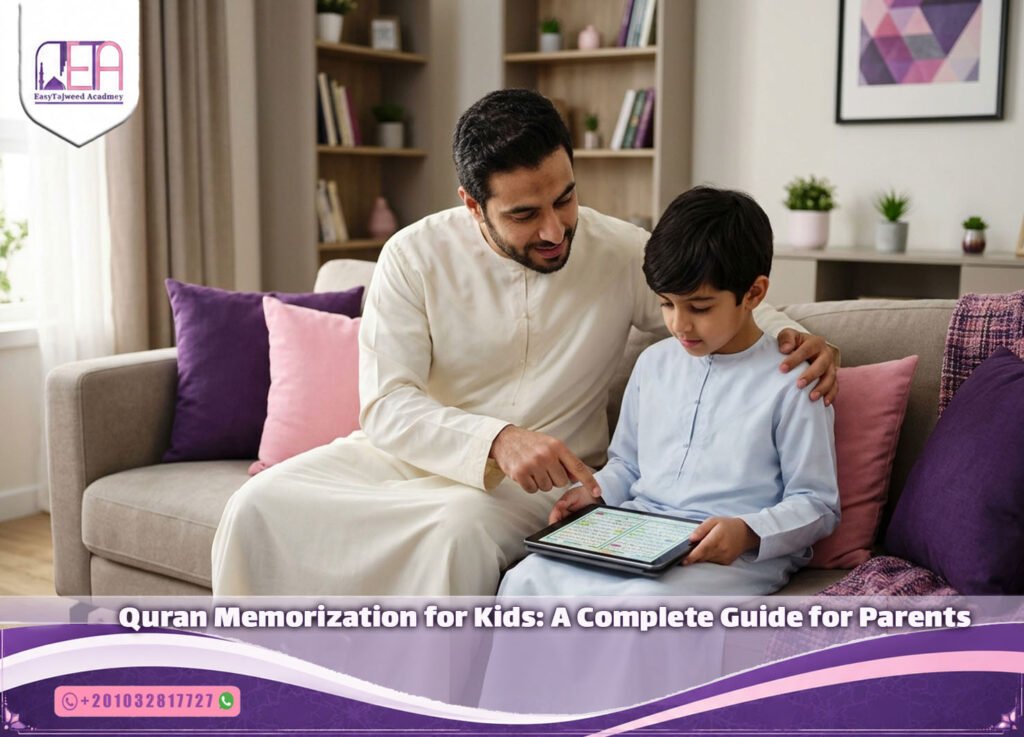
Quran memorization for kids (known as Hifz) is the structured process of helping a child commit the verses (Ayat) and chapters (Surahs) of the Holy Quran to memory.
Quran Memorization for Kids is a meaningful way to help Muslim children develop a lifelong connection with Allah and His Book. Many parents want their children to learn the Quran, memorize important Surahs, and develop correct recitation habits while balancing school, homework, and extracurricular activities.
With the right approach, Quran memorization for kids can become an enjoyable part of everyday family life rather than another demanding responsibility.
Quran memorization for kids doesn’t require them to learn large portions in a short time. Instead, successful Hifz begins with manageable goals, consistent repetition, correct pronunciation, and regular revision. Whether your child is a complete beginner or already knows several Surahs, a suitable learning plan can support steady progress.
Families can also benefit from online Quran memorization for kids, which makes qualified guidance more accessible. This guide explains the best starting age, effective memorization techniques, daily schedules, Tajweed basics, and how parents can support their children’s Quran learning journey.
Why Is Quran Memorization Important for Kids?
Quran memorization for kids offers more than the ability to recite verses from memory. It can support their spiritual development, strengthen their Islamic identity, and introduce important values that guide their everyday behaviour. When they become familiar with Quran memorization for kids from an early age, they have an opportunity to develop a lasting relationship with Allah’s words.
Developing a Strong Connection with Allah and the Quran
One of the greatest benefits of Quran memorization for kids is developing love and familiarity with the Quran. As children learn different Surahs, they become more comfortable listening to, reading, and reciting Allah’s words.
Regular recitation can gradually become part of their daily routine, especially when parents encourage them to practise during family Quran time or recite familiar Surahs in Salah.
Children do not need to understand every Arabic word immediately. Parents and teachers can introduce simple explanations of the verses according to their age and understanding. This helps children connect memorization with meaning rather than treating it as an activity based only on repetition.
Building Discipline, Patience, and Confidence
Memorizing the Quran requires concentration, patience, and consistency. Children gradually learn that achieving meaningful results often involves practising a little every day.
Completing a short Surah can also give a young learner a sense of accomplishment. These small achievements encourage confidence and motivate children to continue learning.
Parents can support this development by setting realistic goals and appreciating effort instead of expecting perfect performance.
Learning Islamic Values Through Quran Memorization for Kids
The Quran teaches important values, including honesty, kindness, patience, respect, and compassion. Memorizing its verses creates opportunities for parents to introduce these principles through simple conversations.
For example, when children learn verses about kindness, parents can discuss how to treat siblings, friends, and classmates respectfully.
In this way, Quran memorization for kids becomes part of a broader approach to Islamic education for children, helping them connect what they learn with their everyday actions.
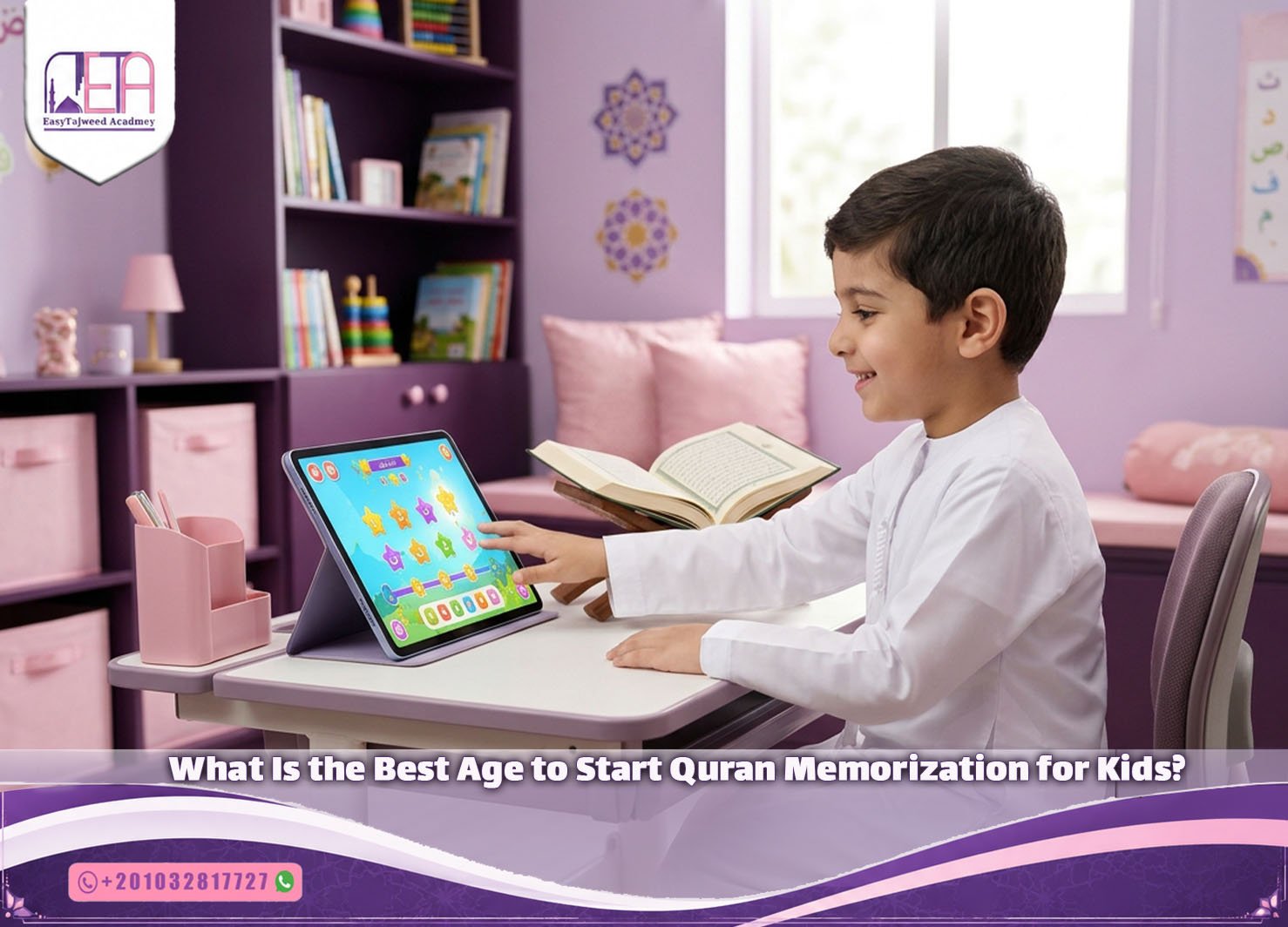
What Is the Best Age to Start Quran Memorization for Kids?
There is no single age at which every child must begin Quran memorization. The best starting point depends on the child’s readiness, attention span, reading ability, and interest in learning Quran memorization for kids.
Some children enjoy listening to Quran recitation when they are very young, while others benefit from beginning structured memorization after developing basic Arabic reading skills. Parents should focus on creating a positive learning experience rather than comparing their children with others.
Introducing Quran Memorization for Kids Ages 3–5
At this stage, children can become familiar with Quranic sounds through listening and repetition. Parents can play short Surahs regularly and encourage their children to repeat simple verses.
Surahs such as Al-Ikhlas and An-Nas can provide suitable introductions when taught gently and according to the child’s ability.
Daily duas and familiar Quranic expressions can also become part of their routine. Keep activities short and enjoyable, using listening games and positive encouragement.
The main goal of Quran memorization for toddlers is familiarity with the Quran rather than completing a specific memorization target.
Quran Memorization for Kids Aged 6–9
Children between six and nine years old may be ready for a more structured Quran memorization for kids routine, depending on their individual development.
Parents can introduce short Surahs from Juz Amma and combine listening, reading, and repetition. A few minutes of focused practice each day can help children develop consistency.
This is also a suitable stage to introduce basic Tajweed concepts, including correct Arabic letter pronunciation and simple recitation rules for Quran memorization for kids.
.
Quran Memorization for Children Aged 10–12 and Older
Older children may be able to follow a more organized Hifz plan. They can gradually memorize longer passages, revise independently, and understand simple explanations of the verses they learn.
Parents and teachers can introduce weekly memorization targets and encourage children to track their progress.
However, age alone should never determine expectations. A child who begins later can still make meaningful progress with consistent practice, suitable guidance, and achievable goals.
How to Memorize the Quran for Kids: Step-by-Step Guide
Parents often ask how to memorize the Quran for kids without making the process difficult or overwhelming. The best approach is to divide Quran memorization for kids into manageable steps and establish a routine that supports both accuracy and long-term retention.
Step 1: Start with Short Surahs from Juz Amma
Begin with familiar and relatively short Surahs that children can learn gradually as part of Quran memorization for kids.
Surah Al-Fatihah, Al-Ikhlas, Al-Falaq, and An-Nas are useful starting points. Children who already know some of these Surahs can revise them before moving to new material.
Short Surahs help beginners experience early success in Quran memorization for kids and become comfortable with Quran memorization lessons.
Step 2: Listen to Correct Quran Recitation
Listening is an important part of memorizing Quranic verses accurately.
Choose a clear Quran reciter with correct pronunciation and allow your child to listen to the same passage several times. Encourage the child to follow the verses in the Mushaf while listening.
This helps children become familiar with the sounds, pronunciation, and natural flow of Quranic recitation.
Avoid switching between several different recitations during the initial learning stage, as consistency can make it easier for beginners to follow the material.
Step 3: Divide Each Ayah into Small Parts
Longer verses can feel challenging when children attempt to memorize them all at once.
Divide each Ayah into short phrases and teach one section at a time. Once the child remembers the first phrase, introduce the next one.
Then connect the phrases until the entire Ayah can be recited smoothly.
This technique makes memorization more manageable and helps children focus on accuracy.
Step 4: Repeat Each Verse Until It Is Remembered
Repetition is one of the most effective Quran memorization techniques for kids.
Ask your child to repeat each phrase several times while looking at the Mushaf. Once the child becomes familiar with it, encourage recitation from memory.
Next, combine the newly memorized passage with the previous verse.
If your child forgets a word, provide a gentle reminder rather than immediately interrupting or expressing frustration.
Step 5: Revise Previous Verses Every Day
Memorizing new verses is only one part of Hifz. Children also need to revise previously learned material to strengthen long-term memory.
Begin each session by reviewing yesterday’s lesson. Then spend some time revisiting older Surahs.
For example, a child learning a new passage from Surah Al-Balad can also revise Surah Al-Ikhlas and Al-Falaq.
Regular Quran revision for children helps prevent previously memorized passages from becoming unfamiliar.
Step 6: Recite the Memorized Verses to a Qualified Teacher
A qualified Quran teacher can listen carefully and identify pronunciation mistakes that children or parents might overlook.
The teacher can correct Tajweed errors, assess memorization accuracy, and adjust the learning plan according to the child’s progress.
Regular assessment also helps children develop confidence in reciting without looking at the Mushaf.
Combining home practice with teacher-guided lessons provides a balanced approach to Quran Hifz for kids.
12 Effective Quran Memorization Tips for Kids
Helping children memorize the Quran requires patience and a supportive environment. These practical Quran memorization tips for children can make daily practice more organized and enjoyable.
Practical Tips Parents Can Apply at Home
1. Establish a consistent daily memorization time.
Choose a suitable time when your child is alert and comfortable. Morning practice may work well for some families, while others prefer after-school sessions.
2. Start with small and realistic targets.
Avoid giving beginners too many verses at once. A short passage learned accurately is more valuable than a longer passage that the child quickly forgets.
3. Use repetition to strengthen memory.
Encourage your child to repeat each verse several times before moving forward. Regular repetition makes memorization more familiar.
4. Play Quran recitation regularly.
Listening during quiet family time or while preparing for bed can help children become familiar with the Surahs they are learning.
5. Use the same Mushaf whenever possible.
Keeping a consistent Quran copy can help children become familiar with the visual arrangement of verses and their position on the page.
6. Create a quiet learning environment.
Reduce distractions by choosing a comfortable study area away from television, games, and unnecessary background noise.
7. Use colourful progress charts.
A simple chart can help children see how many Surahs they have completed and which passages they need to revise.
8. Reward effort and consistency.
Celebrate completed lessons with praise, stickers, or a small meaningful reward. Focus on commitment rather than comparing achievements with other children.
9. Connect memorization with simple meanings.
Explain the basic meaning of a verse using age-appropriate language. Understanding can make learning more meaningful.
10. Encourage children to recite in Salah.
When appropriate and under parental guidance, encourage children to recite familiar Surahs during their prayers. This gives them opportunities to practise what they have memorized.
11. Review old Surahs regularly.
Do not move forward without revisiting earlier lessons. Reserve part of every memorization session for revision.
12. Make Quran learning a positive family activity.
Parents can recite together with their children, listen to their lessons, and create a household atmosphere that values Quran learning.
During busy school days, keep practice short and manageable. Weekends can provide additional revision time, while holidays offer opportunities to revisit older Surahs without increasing pressure.
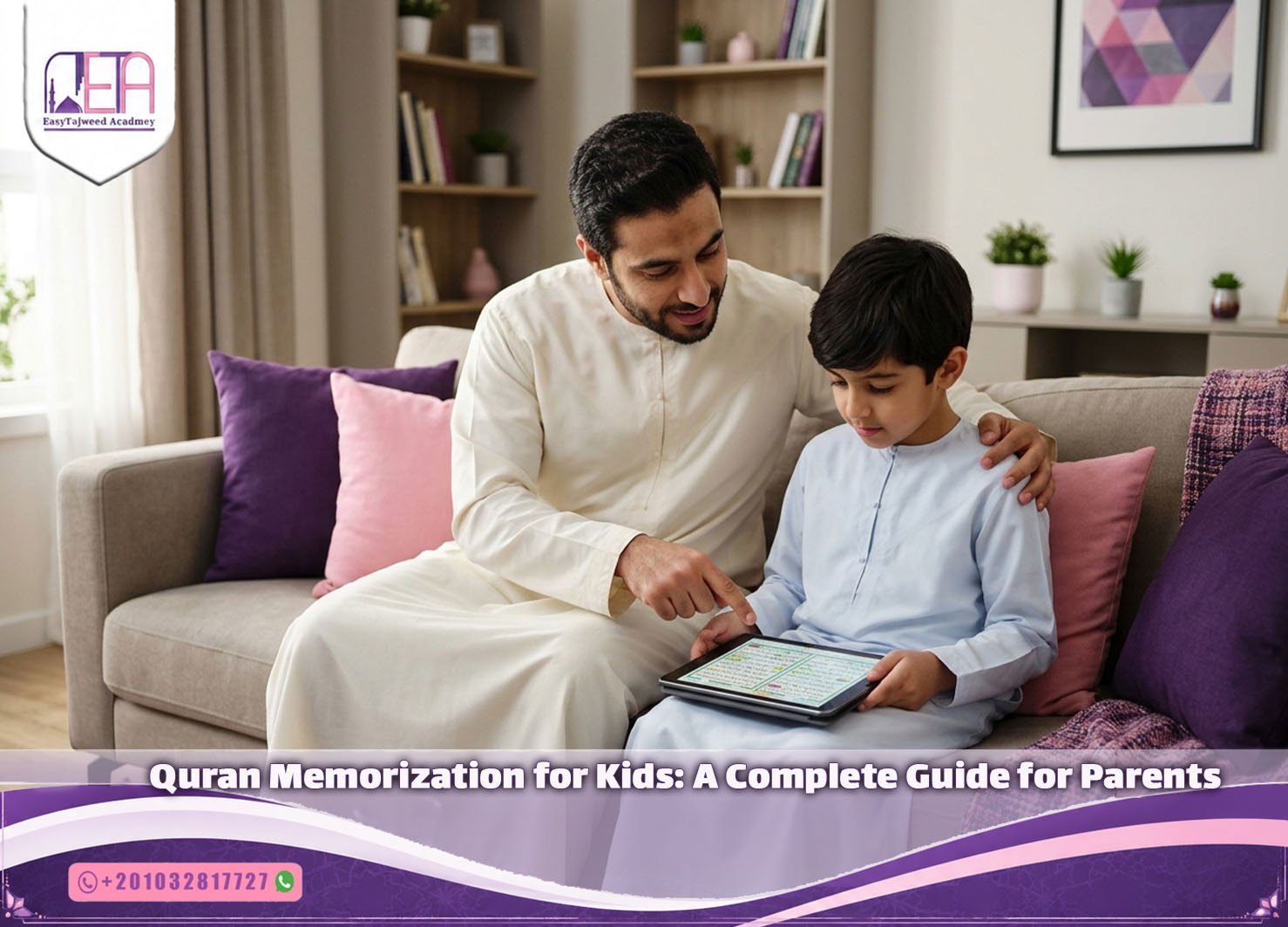
How to Create a Daily Quran Memorization Schedule for Kids
A realistic daily Quran memorization schedule for kids helps families balance Hifz with school, homework, and other activities.
Consistency is generally more helpful than long, exhausting memorization sessions. Parents should choose a routine that matches their child’s age, energy, and learning ability.
Choosing the Right Daily Quran Memorization Time for Kids
Some children concentrate better in the morning, while others learn more comfortably after school or in the evening.
Morning practice can be suitable before school when the child is rested. After-school lessons may work for children who prefer completing their academic responsibilities first.
Evening revision can also be useful, provided the child is not tired.
The most important factor is choosing a time that the family can maintain regularly.
A Simple Daily Quran Memorization Routine
Here is an illustrative 25-minute routine for children who are ready for structured practice:
| Activity | Suggested time |
|---|---|
| Listening to new verses | 5 minutes |
| Memorizing new verses | 10 minutes |
| Revising previous verses | 5 minutes |
| Reciting to a parent or teacher | 5 minutes |
| Total | 25 minutes |
Parents can adjust this timetable according to the child’s attention span and memorization ability. Younger beginners may need shorter sessions, while more experienced learners may benefit from additional revision.
Balancing Quran Memorization with School and Other Activities
Children already have several responsibilities, including schoolwork, sports, hobbies, and family activities.
For this reason, Quran memorization for kids should fit naturally into their weekly schedule.
Avoid placing long Hifz sessions immediately after a demanding school day if your child is tired. Instead, divide learning into shorter periods when possible.
A realistic weekly plan should also allow time for rest, family activities, and revision.
The goal is to establish a sustainable Quran memorization routine that children can maintain without feeling overwhelmed.
What Are the Best Surahs for Kids to Memorize First?
Choosing suitable Surahs is an important part of Quran memorization for kids and beginners. Many parents start with shorter chapters because they allow children to practise pronunciation and experience progress without facing lengthy passages immediately.
Start with Essential Short Surahs
The following Surahs are commonly included in early Quran learning for children:
- Surah Al-Fatihah: An essential Surah that children need to learn for their daily Salah.
- Surah Al-Ikhlas: A short Surah introducing the Oneness of Allah.
- Surah Al-Falaq: A Surah that teaches children to seek Allah’s protection.
- Surah An-Nas: A short chapter that introduces seeking protection in Allah.
- Surah Al-Kawthar: A brief Surah suitable for practising recitation.
- Surah Al-Asr: A short chapter that introduces important lessons about faith, good deeds, and patience.
Parents should make sure children learn each Surah with correct pronunciation rather than focusing only on completing the memorization.
Progress Gradually Through Juz Amma Memorization for Kids
Juz Amma Memorization for Kids, the thirtieth part of the Quran, contains many shorter Surahs that are suitable for beginners.
Children can gradually progress from shorter chapters to longer ones according to their reading and memorization abilities.
However, moving to a new Surah should not mean forgetting previously learned material. Regular revision should remain part of the learning plan.
Should Children Memorize Surahs in a Specific Order?
There is no need to impose exactly the same memorization order on every child.
Parents can prioritize essential Surahs while following a structured plan recommended by a qualified teacher.
The child’s current level, reading ability, and confidence should guide the progression.
The Importance of Tajweed in Quran Memorization for Kids
Tajweed is an important part of learning to recite the Quran correctly. When children memorize verses, they should also develop accurate pronunciation and appropriate recitation habits.
Learning Tajweed for Kids does not mean introducing every advanced rule immediately. Instead, teachers can gradually explain the basics in a way that matches the child’s understanding for Quran Memorization for Kids.
Why Should Children Learn Tajweed Before Memorizing the Quran?
Correct pronunciation matters because Arabic letters have specific articulation points known as Makharij Al-Huroof.
Children who learn to pronounce letters correctly from the beginning can develop better recitation habits and reduce the likelihood of repeating incorrect pronunciations throughout their memorization journey.
Parents should not expect young beginners to master every Tajweed rule before starting Hifz. Basic pronunciation guidance can be introduced alongside memorization under qualified supervision.
Basic Tajweed Rules Children Should Learn
Children can gradually become familiar with several fundamental Tajweed concepts:
- Makharij Al-Huroof: The articulation points from which Arabic letters are pronounced.
- Harakat: Short vowel marks, including Fathah, Kasrah, and Dammah.
- Madd: Rules for extending certain vowel sounds.
- Ghunnah: A nasal sound used in specific recitation rules.
- Qalqalah: A particular echoing quality when pronouncing certain letters in specific conditions.
- Noon Sakinah and Tanween: Rules that explain how these sounds are pronounced in different Quranic contexts.
A qualified teacher can introduce these concepts through examples and guided practice.
How Tajweed Improves Quran Memorization for Kids
Correct recitation supports accurate memorization because children learn the verses with their proper sounds and pronunciation.
Consistent listening also helps them become familiar with the rhythm and structure of Quranic passages.
When children repeat verses using correct pronunciation, they can develop stronger recitation habits and recall the passages more confidently.
For this reason, Tajweed should complement Hifz rather than be treated as an unrelated subject.
How Can Parents Help Their Children Memorize the Quran at Home?
Parents play an important role in creating an environment where Quran learning feels natural and meaningful. Even when children attend formal Quran lessons, family encouragement can strengthen their motivation and consistency.
Become a Positive Role Model
Children often learn by observing the adults around them.
When parents regularly read or recite the Quran, children become familiar with the importance of making time for Allah’s Book.
Families can establish a short Quran session together, allowing everyone to participate according to their ability.
Listen to Your Child’s Daily Recitation
Set aside a few minutes to listen to your child’s memorization.
Allow them to recite independently and provide gentle reminders when they forget a word or make a mistake.
Avoid turning every practice session into a test. Encourage confidence and acknowledge the effort your child makes.
Use Rewards and Progress Tracking
A simple Hifz progress chart can help children understand their achievements.
Parents can mark completed Surahs and celebrate important milestones. Small rewards, family praise, or choosing a favourite family activity can encourage.
However, memorization should not become a competition. Each child develops at a different pace, and the focus should remain on building a sincere and positive relationship with the Quran.
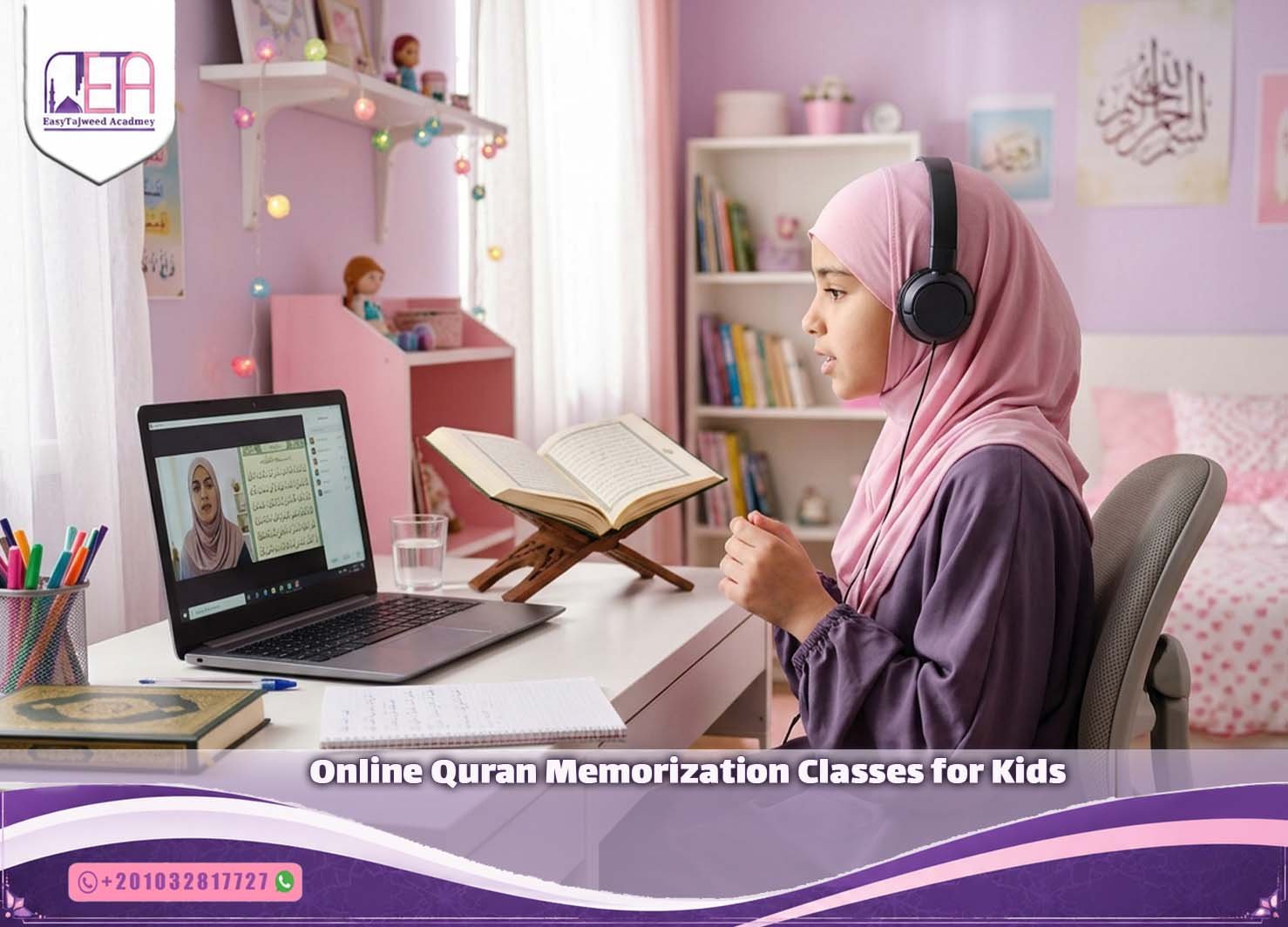
Online Quran Memorization Classes for Kids
Online Quran memorization for kids can be a practical option for families who want structured Islamic education without travelling to a physical learning centre.
Parents in the USA, UK, Canada, and Australia may find online lessons particularly convenient when local Quran teachers or suitable Hifz programmes are difficult to access.
Benefits of Online Quran Memorization Classes for Kids
Online Quran memorization classes for kids can offer several advantages:
Flexible learning schedules: Families can arrange lessons around school, homework, and other commitments.
One-on-one attention: Individual lessons can give teachers more opportunities to identify each child’s strengths and learning difficulties.
Learning from home: Children can attend lessons in a familiar environment without travelling.
Regular recitation practice: Live sessions provide opportunities to practise memorized passages and receive feedback.
Personalized memorization plans: Learning targets can be adjusted according to the child’s current ability and progress.
Access to qualified teachers: Online learning can connect families with Quran teachers who have appropriate experience in Tajweed and memorization.
How Online Quran Hifz Classes Work
A structured Quran Hifz Program online generally follows several stages:
- Initial assessment: The teacher evaluates the child’s Quran reading and pronunciation ability.
- Memorization assessment: The teacher identifies which Surahs or passages the child already knows.
- Personalized planning: An age-appropriate memorization plan is developed.
- Learning new verses: The child learns new material during live lessons.
- Tajweed practice: The teacher explains pronunciation and relevant recitation rules.
- Regular revision: Previously memorized passages are reviewed to strengthen retention.
- Progress monitoring: The teacher evaluates progress and adjusts learning targets when necessary.
This approach helps children develop a balanced routine that includes new memorization, revision, and accurate recitation.
What Should Parents Look for in an Online Quran Academy?
Choosing the right online Quran academy for Quran memorization for kids is an important decision. Parents should consider several factors before enrolling their children.
Look for qualified and experienced Quran teachers with appropriate Tajweed and Hifz knowledge. Child-friendly teaching methods are also important because young learners need patience, encouragement, and age-appropriate explanations.
Other useful considerations for Quran memorization for kids include flexible scheduling, regular progress reports, professional online learning arrangements, and opportunities to assess teaching quality before committing to a programme.
Parents should also ask how the academy monitors memorization progress and handles revision.
A good learning environment should support both educational development and a positive relationship with the Quran.
Quran Memorization for Kids with Easy Tajweed Academy
Finding a suitable Quran learning programme can help parents establish a more organized memorization routine for their children. Easy Tajweed Academy is an option for families exploring online Quran education and structured Hifz learning.
A Structured Approach to Quran Memorization for Kids
A structured Quran memorization course for children should begin by identifying the learner’s current level.
Children who are new to Quran learning may need support with Arabic reading and pronunciation before progressing to more advanced memorization targets.
A gradual approach to Quran memorization for kids allows young learners to become familiar with individual verses, practise repetition, and revise previously learned Surahs.
Parents considering Easy Tajweed Academy can ask about its available memorization lessons, assessment process, and the way learning plans are adapted to different age groups.
Learning Quran with Tajweed Guidance
Tajweed guidance is an important part of developing accurate Quran recitation.
Children benefit from learning how to pronounce Arabic letters correctly and gradually understanding the rules that influence recitation.
Combining Tajweed instruction with Quran memorization for kids can help children build a stronger foundation and develop good recitation habits from the beginning.
Parents should confirm the teacher’s qualifications and the level of Tajweed support included in the programme before enrolling in Quran memorization for kids.
Flexible Online Quran Learning for Children
Online lessons can help busy families manage Quran education alongside school and other daily responsibilities.
A suitable programme should offer scheduling arrangements that fit the family’s time zone and the child’s availability.
Parents can also ask about lesson duration, class format, revision expectations, and opportunities to monitor progress.
Helping Children Build a Lifelong Relationship with the Quran
The purpose of Quran memorization for kids goes beyond completing a particular number of Surahs.
Children should gradually develop confidence in recitation, consistency in revision, and appreciation for the teachings of the Quran.
With an appropriate learning plan and supportive guidance, Easy Tajweed Academy may be worth exploring for parents seeking organized online Quran education for their children.
Give your child an opportunity to develop a stronger connection with the Quran. Explore Easy Tajweed Academy‘s available learning options and ask about a suitable memorization pathway for your child’s current level.
Conclusion: Make Quran Memorization a Beautiful Journey for Your Child
Quran Memorization for Kids is a valuable journey that requires patience, consistency, correct Tajweed, and regular revision. Every child learns differently, so parents should establish realistic goals and celebrate steady progress rather than expecting immediate results. Whether children begin with short Surahs or follow a structured Hifz plan, positive encouragement can help them develop a lifelong love for the Quran.
Online Quran classes for kids can also provide additional guidance and flexibility. Explore Easy Tajweed Academy’s learning options to discover whether its Quran memorization programme is suitable for your child’s needs.
