
The best Noorani Qaida lessons in English are offered by platforms like EQuran School and dedicated apps that provide interactive, step-by-step tutorials with audio guidance. These resources emphasize correct Arabic pronunciation (tajweed basics), letter formation, and vowel sounds using simple English explanations. Features such as downloadable PDFs and colorful visuals.
Noorani Qaida Lessons in English provide a structured, beginner-friendly approach to learning the pronunciation of Quranic Arabic. Designed Noorani Qaida Lessons in English for kids and adults alike, these lessons focus on mastering the basic letters, sounds, and rules of Tajweed using simple English explanations. Ideal for non-Arabic speakers, they lay the foundation for reading the Holy Quran accurately and confidently. Qualified online tutors guide learners through interactive sessions, ensuring proper articulation and understanding.
Learning to read the Quran correctly is a deeply meaningful journey for Muslims around the world. For beginners, especially those who do not speak Arabic, the Noorani Qaida serves as the perfect starting point. With the rise of online education, students can now access the Best Noorani Qaida Lessons in English from the comfort of their homes. These lessons are thoughtfully designed to guide every beginner step by step, ensuring accurate pronunciation, strong tajweed, and confident reading skills.
Whether you are a parent looking for structured classes for your kids or an adult learner starting your journey with Noorani Qaida, modern platforms like the Leading platform Easy Tajweed Academy make it easier than ever to learn Noorani, understand Arabic letters, and master recitation.
This comprehensive guide explores everything you need to know about Noorani Qaida Lessons in English, its importance, benefits, and how to choose the best Noraani Qaida online program for your needs.
What are the Noorani Qaida Lessons in English?
The Noorani Qaida Lessons in English is a foundational book designed to help beginners learn how to read the Quran by introducing them to Arabic alphabets, pronunciation rules, and essential tajweed principles. When offered as Noorani Qaida in English, these lessons include English transliteration and English translations, making it easier for non-Arabic speakers to understand and follow along.
A Complete Noorani Qaida course typically begins with the recognition of individual letters (huroof), then gradually moves to joining letters, forming words, and finally reading full verses. This structured process ensures that every student builds a strong foundation in reading Arabic.
In Noorani Qaida Lessons in English, instructors often explain concepts in simple language, using examples like “yeh,” “hai,” and “aur” to bridge understanding. These lessons are designed to make learning accessible for global learners, including those who rely on Q&A English explanations.
Additionally, many platforms allow students to download Noorani Qaida in PDF format, watch video tutorials, and attend live classes with qualified tutors. This makes learning Noorani Qaida both flexible and effective.
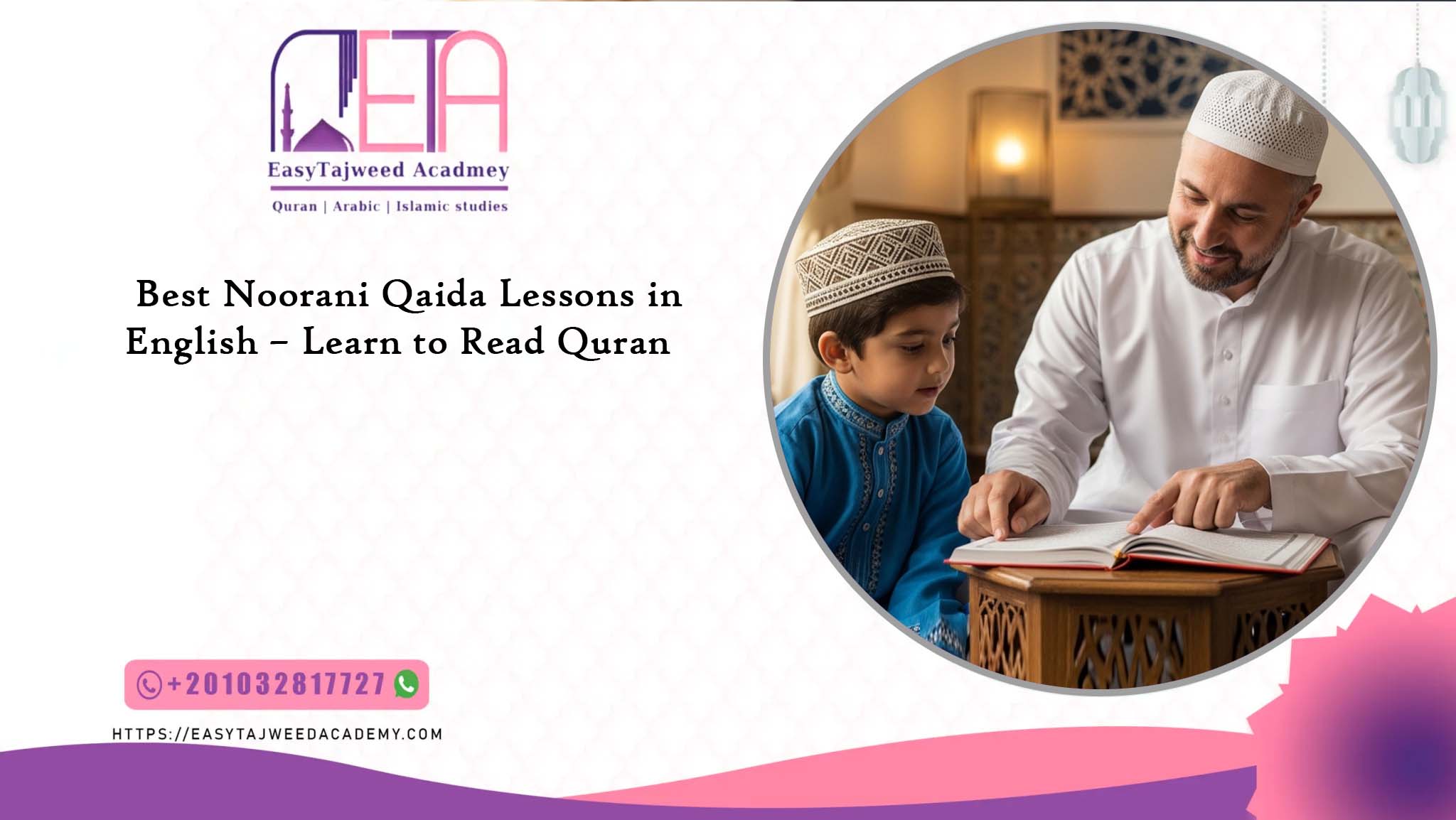
Importance of Learning Noorani Qaida Lessons in English
The importance of learning Noorani Qaida Lessons in English cannot be overstated, especially for those beginning their journey in Quran recitation. Without understanding the basics of Arabic letters and tajweed rules, it becomes difficult to read the Quran correctly.
For non-Arabic speakers, Noorani Qaida in English plays a crucial role. It removes language barriers by providing English transliteration and explanations, helping learners understand how each letter is pronounced. This ensures sahi talaffuz (correct pronunciation), which is essential in preserving the meaning of Quranic words.
Moreover, Noorani Qaida Lessons in English programs help students recognize the pehchan (identification) of letters and sounds. This is especially important for kids and beginners who are just starting to learn. With proper guidance, students can confidently read Noorani Qaida and progress towards reading the Quran fluently.
The structured approach of the Complete Noorani Qaida also ensures that learners develop discipline and consistency. By practicing daily, students strengthen their skills and gradually improve their recitation.
READ ALSO
Best Quran Recitation Course Online Related reading: check out How to read Quran in Arabic correctly. If you’re interested, take a look at How to read Quran correctly. For more on this, take a look at our The beauty and significance of Quran recitation in english. You can also explore Quran online for additional guidance. Related reading: check out Arabic language teaching. If you’re interested, take a look at Quran teaching online. Worth a look: Learn Quran online with Tajweed. See also Quran online academy for more details. For further reading, take a look at Quran memorization course. This connects well with Learn Quran with Tajweed easily. For more on this, take a look at our Online Quran classes. You can also explore Tajweed course with a certificate for additional guidance.
Benefits of Learning Noorani Qaida Lessons in English
Noorani Qaida lessons in English offer a structured, accessible foundation for beginners to master Quranic Arabic, Tajweed rules, and proper pronunciation (Makharij). By using English explanations, learners easily grasp foundational concepts—from alphabet recognition to complex Tajweed—enabling accurate, fluent Quran recitation, enhanced memory, and a stronger spiritual connection to the text.
There are numerous benefits to enrolling in the Best Noorani Qaida Lessons in English, especially through an academy like the Leading platform Easy Tajweed Academy. One of the biggest advantages is accessibility. Students from any part of the world can join online Noraani Qaida classes and learn at their own pace.
Another major benefit of Noorani Qaida Lessons in English
is clarity. With English translations and transliteration, learners can easily understand how to pronounce words correctly. This is particularly helpful for those unfamiliar with Arabic sounds.
The Noorani Qaida online format also allows for interactive learning. Students can engage with video lessons, quizzes, and live sessions with qualified tutors who teach them step by step. This personalized approach ensures that every learner receives the attention they need.
Additionally, these lessons are ideal for both kids and adults. Whether you are a beginner learner or someone revisiting the basics, the Qaida in English format makes learning simple and enjoyable.
Many platforms like Easy Tajweed Academy also offer a trial period, allowing students to experience the course before committing. Flexibility, Noorani Qaida Lessons in English make it easier for learners to start their journey without hesitation.
Step-by-Step Guide to Learning Noorani Qaida Lessons in English Easily
Learning Noorani Qaida lessons in English is a foundational step for beginners and children to master Quranic recitation with proper Tajweed. These lessons cover Arabic alphabet pronunciation (Makharij), short vowels (Harakat), joint letters, and rules of prolongation. Structured online Noorani Qaida lessons in English or PDFs provide a simplified approach to learning.
The journey to learn Noorani Qaida becomes much easier when you follow a structured step-by-step approach. Initially, students are introduced to the Arabic alphabet, where they learn the names and sounds of each letter.
The next step involves combining letters to form simple words. This stage helps learners understand how letters change shape when joined. With consistent practice, students begin to recognize patterns and improve their reading skills.
As the course progresses, learners are introduced to vowel signs and basic tajweed rules. These rules are essential for correct pronunciation and smooth recitation.
In advanced stages, students practice reading full sentences and short verses. By this point, they have developed a strong foundation and can confidently read the Quran.
Many online programs also include takhti ka exercises, where students practice writing and recognizing letters. This hands-on approach reinforces learning and improves retention.
How Noorani Qaida Helps You to Read the Quran Fluently
Noorani Qaida Lessons in English builds a strong foundation for fluent Quranic reading by teaching Arabic letters, vowel sounds, and basic Tajweed rules step by step. Its structured lessons enhance pronunciation accuracy and rhythm, enabling learners to read with confidence. Through repetitive, rhythmic exercises, it develops fluency and natural flow, making it easier to transition to full Quranic recitation. Ideal Noorani Qaida Lessons in English for kids and adults alike, it simplifies complex phonetics and prepares users for deeper engagement with the Quran.
The Noorani Qaida is specifically designed to prepare students for fluent Quran reading. By mastering the basics, learners develop the skills needed to read Arabic text accurately.
Through repeated lessons and practice, students become familiar with the rhythm and flow of Quranic recitation. The focus on tajweed ensures that every word is pronounced correctly, preserving its meaning.
With time, learners gain confidence and fluency. They can read longer passages without hesitation and understand the structure of the language. This transformation is a key milestone in their spiritual journey.
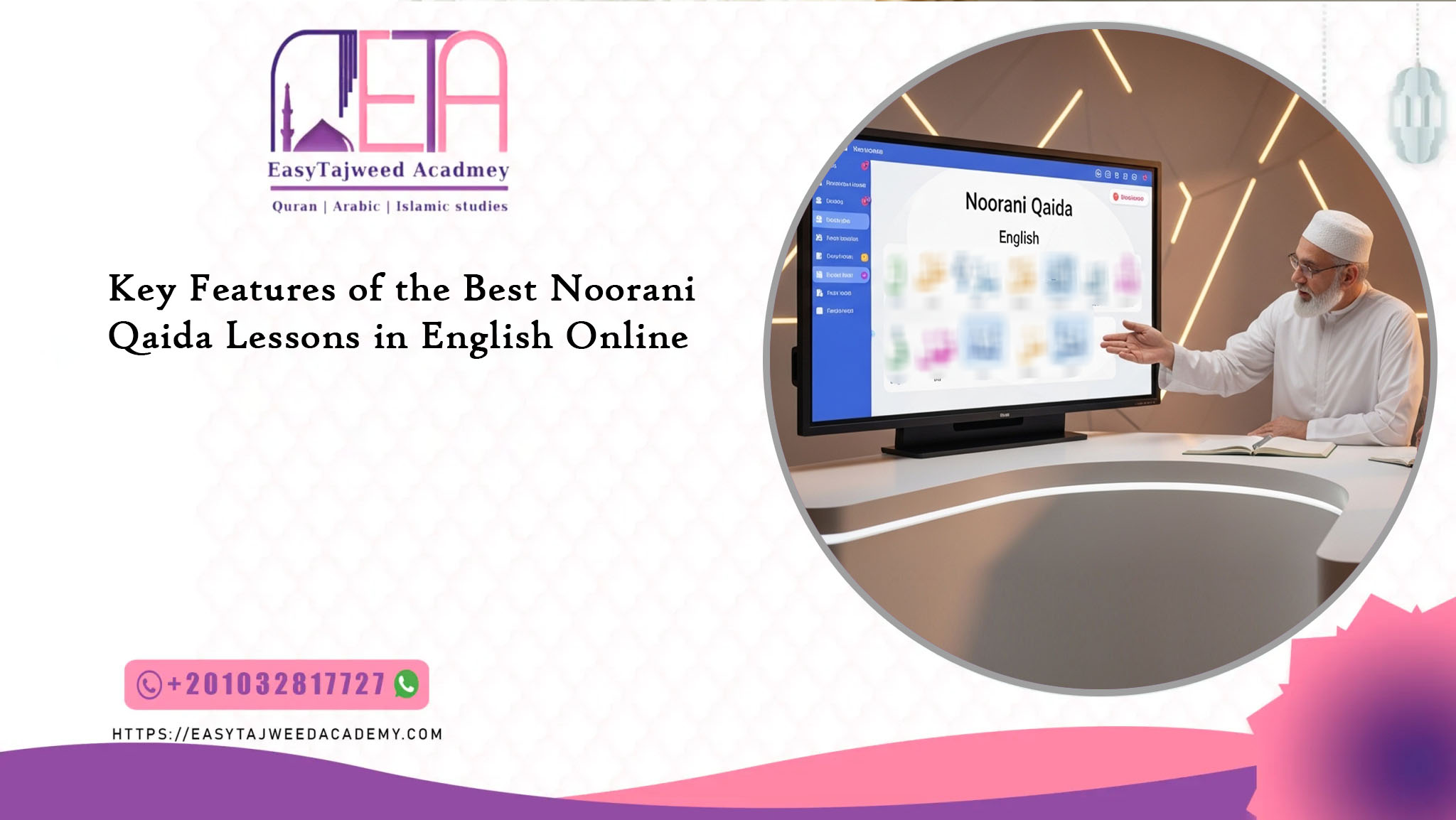
Key Features of the Best Noorani Qaida Lessons in English Online
The best online Noorani Qaida lessons in English offer one-on-one, interactive sessions with qualified, bilingual instructors, enabling beginners to master Tajweed rules (like Makharij and Ghunnah) for correct Quran recitation. These flexible, 24/7 courses utilize screen sharing and audio-visual tools to create a tailored, step-by-step learning experience for children and adults.
The Best Noorani Qaida Lessons in English offer several features that enhance the learning experience. These include interactive video lessons, live classes, and access to experienced tutors.
Platforms like the Leading platform Easy Tajweed Academy provide structured courses that cover the Complete Noorani Qaida. These courses are designed to cater to learners of all levels, from beginners to advanced students.
Other features include downloadable PDF materials, progress tracking, and flexible scheduling. Students can learn at their own pace and revisit lessons whenever needed.
Key Features of the Best Online Noorani Qaida Lessons in English
- Qualified Tutors: Instruction from experienced Qaris/Huffaz, including female tutors for women and children, specializing in English-language teaching.
- One-on-One Live Sessions: Focused, personalized 1-on-1 classes that ensure 100% attention for quick learning and instant feedback.
- Tajweed-Focused Curriculum: Structured, step-by-step curriculum starting from simple Arabic letters (Huroof) to, complex joint letters, vowels (Harakaat), and advanced Tajweed rules like Ghunnah and Qalqalah.
- Interactive Digital Tools: Utilization of screen sharing, interactive whiteboards, and digital Noorani Qaida materials for an engaging learning environment.
- Flexible Scheduling: Ability to select 24/7, flexible times that fit into busy schedules, making it ideal for parents and professionals.
- Language Accessibility: Expert explanations in English (often with Urdu/Hindi support) to make the learning process accessible to non-native Arabic speakers.
- Progress Tracking and Certificates: Regular assessments, feedback reports, and a certificate of completion to recognize mastery before starting Quran reading.
- Free Trial Classes: Offering free trial sessions to evaluate the tutor’s teaching style.
These courses are designed to build a strong foundation for reading the Quran accurately, focusing on the proper articulation points (Makharij) of letters.
READ ALSO
Online Arabic Classes For more on this, take a look at our Quranic Arabic classes. You can also explore Read Quran with Tajweed for additional guidance.
Quran Academy Near Me Worth a look: Learn english online. For further reading, take a look at How to read the Quran with Tajweed a guide.
Best Online Quran teacher See also Learn Tajweed online for free with easy Tajweed academy for more details. This connects well with Read and memorize the Quran online with easy Tajweed academy.
Basic Arabic Letters and Sounds Taught in Noorani Qaida
One of the first things students seek in the Noorani Qaida is the recognition of Arabic letters. Each letter has a unique sound, and learning these sounds is essential for accurate reading.
The course also teaches how letters change shape depending on their position in a word. This helps students understand the structure of Arabic words and improves their pehchan skills.
Through consistent practice, learners develop strong pronunciation and become comfortable with the language.
Understanding Tajweed Rules Through Noorani Qaida
Noorani Qaida is the foundational booklet for learning Quran recitation. At Noorani Qaida Lessons in English, systematically introducing Tajweed rules through 17 chapters, starting with basic Arabic letters and progressing to complex words. Noorani Qaida Lessons in English teaches articulation points (Makharij), vowel sounds (Harakat), Noon Sakinah/Tanween, and elongation rules (Madd). Mastery leads to accurate, melodic, and fluent Quran recitation.
Tajweed is the set of rules that govern the pronunciation of Quranic Arabic. The Noorani Qaida lesson introduces these rules simply and gradually.
Students learn about elongation, pauses, and proper articulation. These rules ensure that the Quran is recited correctly and beautifully.
By practicing daily, learners internalize these rules and apply them naturally in their recitation.

How to Choose the Best Noorani Qaida Course in English
Choosing the right qaida online course is essential for effective learning. Look for programs that offer structured lessons, experienced tutors, and interactive classes.
An ideal course should include English translations, transliteration, and clear explanations. It should also provide opportunities for practice and feedback.
The Leading platform, Easy Tajweed Academy, is a great example of a reliable academy that offers high-quality Noorani Qaida online lessons.
Tips to Master Noorani Qaida Quickly and Effectively
To master the Noorani Qaida, consistency is key. Practice daily, even if it’s just for a few minutes. Focus on pronunciation and ensure that you are applying the tajweed rules correctly.
Use resources like video lessons and PDF downloads to reinforce your learning. Don’t hesitate to ask your tutors for help if you face difficulties.
Set realistic goals and track your progress. With dedication and effort, you can complete the Noorani Qaida in a few months and move on to reading the Quran fluently.
In conclusion,
The Best Noorani Qaida Lessons in English provide a comprehensive and accessible way for students to learn how to read the Quran. With structured lessons, qualified instructors, and modern online tools, learners can embark on a rewarding journey of faith and knowledge. Whether you are a beginner or looking to strengthen your basics, the Complete Noorani Qaida is your gateway to mastering Quranic recitation.
………………..FAQ………………………
What is the best first step to start learning Noorani Qaida lessons in English?
The best first step is to learn the Arabic letters and their basic sounds. They should focus on recognizing letters in their isolated form, practice short vowel sounds (fatha, kasra, damma), and try simple pronunciation drills. This builds a clear foundation for reading the Quranic text and for later tajweed study.
How long does it take to read simple words fluently?
With consistent daily practice of 15–30 minutes, many learners read simple words confidently within 4–6 weeks. Progress depends on age, prior exposure to Arabic script, and the quality of guidance. Regular feedback speeds development.
Who benefits most from these lessons — kids or adults?
With Noorani Qaida lessons in English, both benefit strongly. Children gain early phonetic habits and confidence, while adults often progress faster thanks to focus and discipline. Lessons can be adapted for different ages and learning styles.
How do Noorani Qaida lessons in English teach pronunciation and tajweed basics?
Noorani Qaida lessons in English start with makharij (articulation points) and basic vowel lengths, then introduce rules like ghunna, qalqala, and heavy vs. light letters. Practice moves from single letters to joined forms, short words, and rule application in small phrases.
What are makharij, and why do they matter?
Makharij are the articulation points of each Arabic letter — lips, tongue, palate, and throat. Correct makharij ensures accurate sounds and prevents common mistakes that change meaning in Quranic recitation.
How should a learner structure daily practice?
A short, focused routine works best: 5–10 minutes of warm-up letter drills, 10 minutes of word joining and reading, and 5–10 minutes of tajweed-focused exercises. Track pages, letters, and rules mastered to measure progress.
Can beginners learn proper pronunciation without a teacher?
Self-study resources, Noorani Qaida lessons in English, help, but guided feedback improves accuracy. Online tutors, recorded lessons, and pronunciation apps can correct errors that are hard to spot alone. A free trial lesson with a qualified instructor often helps identify priorities.
What are common pronunciation mistakes, and how can they be corrected?
Common errors include confusing similar sounds (ت vs. ط or ث vs. س), incorrect vowel length, and unclear makharij. Avoid these by isolating each letter, repeating makharij drills, and comparing recordings with a qualified reciter.
How do learners progress from single letters to reading full words?
Progress follows stages: learn isolated letters, practice joined forms (start, middle, end), add harakat (vowels), then read simple syllables and short words. Gradual steps and repetition prevent overwhelm.
Are there resources for kids in the UK who are learning these lessons?
Yes. Many centers, online academies, and apps offer child-friendly lessons with short sessions, colorful materials, and interactive drills. Choose programs that include native reciters and parent progress reports.
How do long vowel sounds (ا و ي) affect recitation?
Long vowels extend sound length and change syllable structure. Correct stretching is essential for accurate recitation and for applying the tajweed rules in longer phrases and verses.
What is letter heaviness, and which letters are affected?
Letter heaviness refers to letters that require a deeper or fuller pronunciation, like خ غ ق ص ض ط ظ. Understanding heavy vs. light sounds helps apply proper emphasis during recitation and improves clarity.
How should learners track progress effectively?
Use simple metrics: letters mastered, pages read without major errors, and tajweed rules applied correctly. Short weekly recordings show improvement and reveal areas needing review.
Are printable PDFs and books useful alongside online lessons?
Yes. A well-structured book or PDF offers step-by-step practice, clear examples, and space for written notes. Combine printed materials with audio and live feedback for the best results.
What role do tajweed rules play during early reading stages?
Early focus should be on clear pronunciation and basic rules like nasalization (ghunna) and qalqala. Introducing tajweed gradually helps learners build correct habits without overwhelming them.
How often should learners review earlier lessons?
Brief daily reviews of previous letters and rules are essential. Weekly consolidation sessions prevent backsliding and make new lessons stick faster.
